Teaware

If you’re like me, you’re as fascinated by tea gadgetry as you are by tea. This category is dedicated to all of the cool stuff we use to make tea.
-

My dog ate my matcha whisk
We got a new dog. She’s about a year old, she’s a husky/bulldog cross, and I screwed up. I left a bunch of my teaware on a shelf that she could reach. She ignored the gaiwan, the matcha bowl, the pots, the cups, the gongfu tray — but not the whisk.
-

Curing your mate gourd
If you are inspired to try the traditional South American method of drinking yerba mate, you’ll need a mate gourd. Once you get it home, don’t just start drinking from it. Before using it for the first time, you’ll need to cure it for the best flavor and longest life.
-
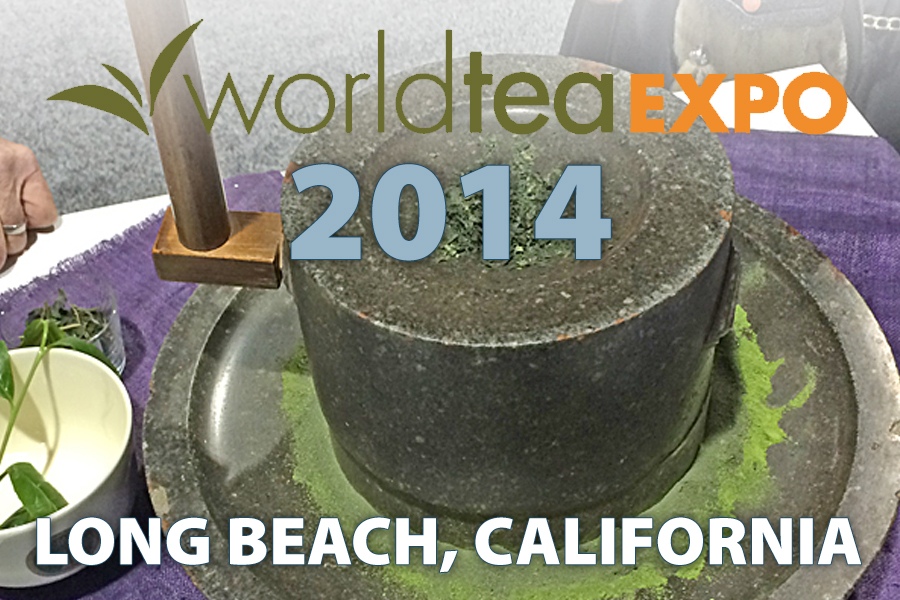
A Matcha Mill at World Tea Expo 2014
Have you ever looked at matcha powder and wondered how it’s made? Oh, it sounds very simple: take some high quality Japanese steamed green tea and powder it. But how do you powder it?
-

How Are Samovars Used?
A traditional samovar has two parts: the water heating unit and a small teapot on top. Originally, the water was heated by coal or charcoal, with a chimney rising through the center. Nowadays, electric samovars are common — as much as you can call a samovar “common,” anyway.
-

Why Does My Tea Taste Like Coffee?
Every coffeemaker I’ve ever used is unable to produce decent tea once it’s been used for coffee. The oils in the coffee may clean off of the glass from the carafe, but they will impregnate the plastic parts of the coffeemaker.
-
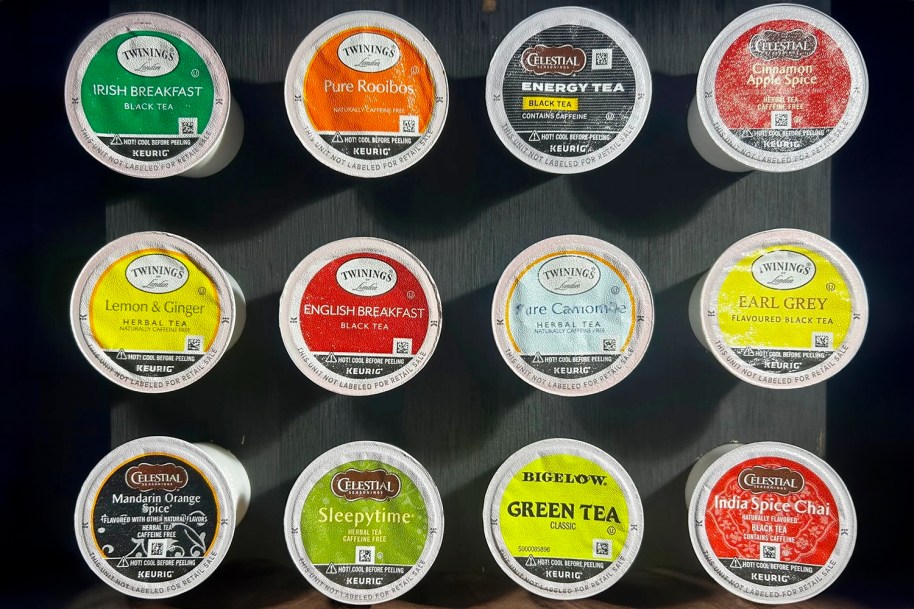
Keurig K-Cups and Tea
Frequently, hotel rooms have coffee makers, but I don’t like having my tea water taste like coffee, so I don’t use them. In one hotel room, however, was a Keurig that uses single-serving K-Cups. They had four coffees, one tea, and one herbal blend. I gave the tea a try.
-

New toy! A Russian samovar
I just purchased a Russian samovar (literally translated: self-boiler) made in 1980. Traditional metal samovars in Russia date back to the early 1700s, when they used charcoal or other fuels to heat the water. A “chimney” ran vertically through the middle of the samovar, where the fuel generated the heat.
 Tea With Gary