Tea Science

There is science behind everything involved in tea, from terroir to chemistry, health to flavor. This leads to a lot of oversimplification and even flat-out misinformation. I’ll do my best to help clear that up here!

-

Temperature, Time, and Lying Kettles
So this guy walks into a tea shop… A joke? No, a story with a lesson in it. This fellow clearly knew what he wanted when he walked into my shop. What he didn’t know was that the boiling point of water changes with your altitude.
-

Tips for reading news about tea studies
As you read articles about tea and health, it’s important to keep in mind that the person writing the article is usually not the person (or people) who actually performed the study it references, and that the author may have read only the summary, not the whole study.
-
Tea and theanine
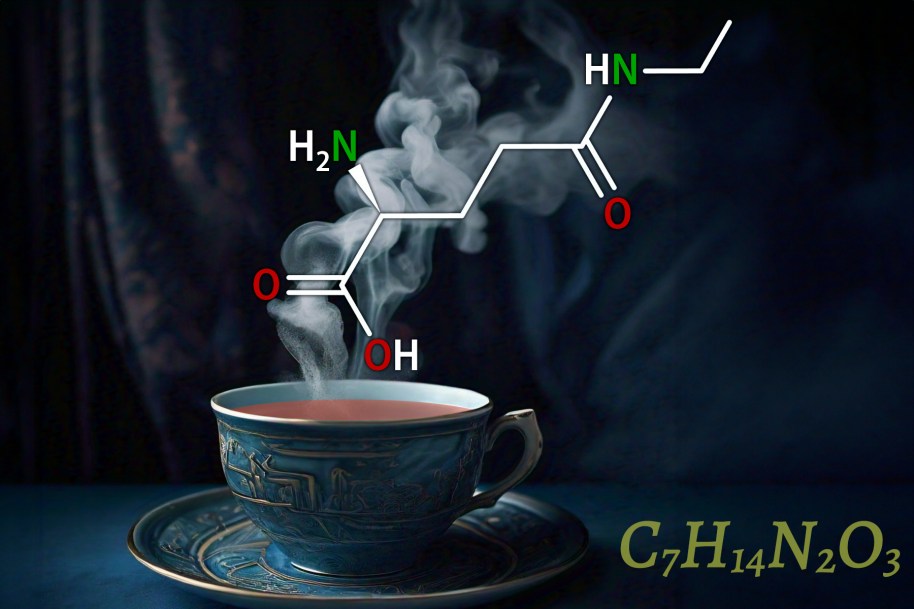
L-theanine is an amino acid found in tea, guayusa, and certain mushrooms. It acts as a relaxant, helps to improve concentration, and adds a savory (umami) flavor to whatever it’s added to. Most important—at least when we’re talking about tea—is what it does when combined with caffeine.
-

Chris Kilham responds
A few days ago, I posted an admittedly rather snarky article entitled “Coffee vs. Tea: Do your homework, Fox News.” The main subject of the article was Chris Kilham, the “Medicine Hunter” from Fox News. Chris responded to the article in email, expressing an interest in carrying on a dialog.
-

Coffee vs. Tea: Do your homework, Fox News
Last Friday, Fox News ran a “Q&A with Dr. Manny” segment to address the question, “Coffee vs. Tea: Which is Healthier?” Dr. Manny Alvarez handed the question off to someone named Chris Kilham, who I assumed was a scientist or another doctor. I was wrong, but we’ll get to that later.
 Tea With Gary